Can Pressure Cleaning Remove Old Paint Before Repainting?
If you own a home or commercial property in Darwin, you already know how hard the Top End climate is on exterior paint. Intense UV, monsoonal humidity, heavy wet season rain and salt-laden air in coastal suburbs all take a toll. Eventually the paint begins to flake, chalk and peel, and you need to decide how to prepare the surface before repainting. A common question is whether pressure cleaning can strip the old paint away. The short answer is: yes, partly, but it depends on the condition of the paint, the surface underneath and how the job is done.
What Pressure Cleaning Can and Can't Do
Pressure cleaning (also called high-pressure water cleaning or water blasting) uses a concentrated stream of water to dislodge dirt, mould, mildew, chalky residue and loose coatings. It is one of the most important preparation steps before repainting, but it is not a complete paint stripping method.
Here is what to expect:
- Loose and flaking paint: Pressure cleaning removes paint that has already lost its bond with the surface. This is the main benefit when preparing a surface for repainting.
- Well-adhered paint: Sound paint that is still firmly stuck will usually stay in place. Pushing the pressure higher to remove it often damages the substrate rather than the coating.
- Chalking and surface contamination: Sun-degraded paint develops a powdery layer that stops new paint from bonding. Pressure cleaning removes this effectively.
- Mould, mildew and algae: These are very common in Darwin's humid conditions and must be removed (and treated) before any new paint goes on.
In other words, pressure cleaning removes what should come off, and leaves what is still sound. That is exactly what a good repaint needs, because new paint performs best on a clean, stable surface rather than a bare, damaged one.
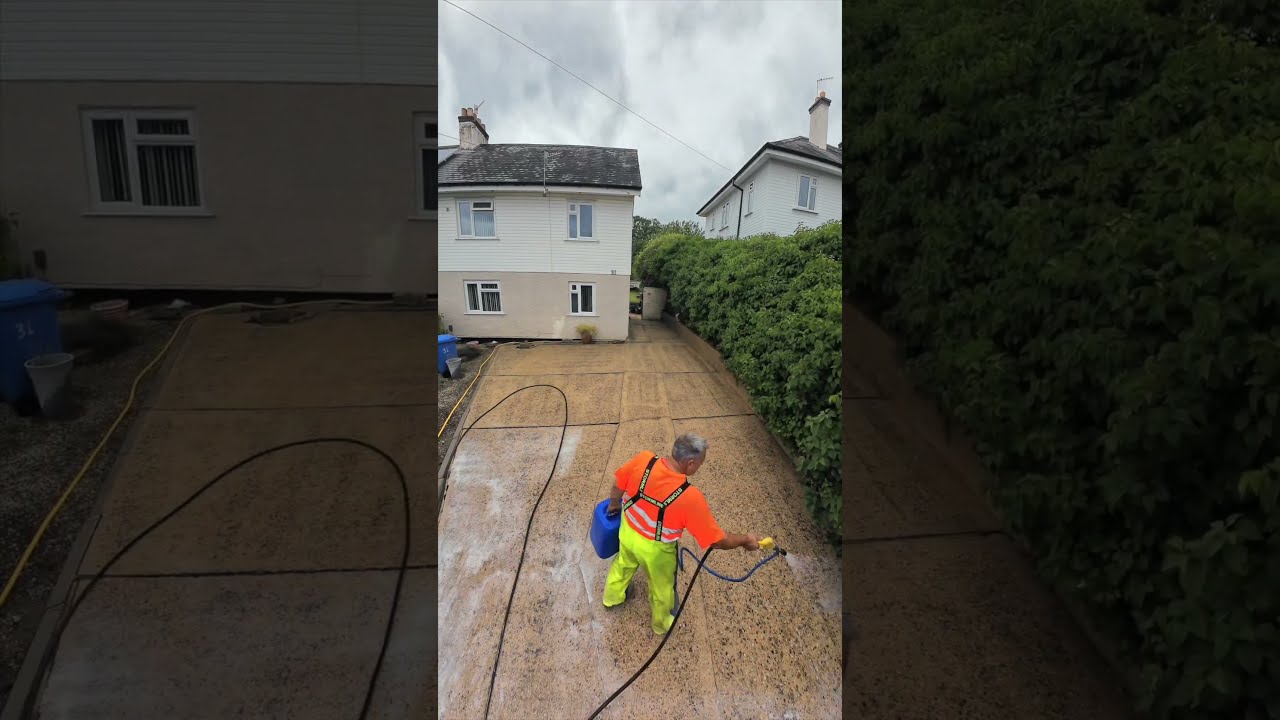
Why Pressure Cleaning Is Essential Before Repainting
Skipping or rushing surface preparation is one of the leading reasons paint jobs fail early. In Darwin's wet season, moisture trapped beneath new paint can cause blistering and https://pressurecleaningdarwin.com.au/solar-panel-cleaning/ peeling within months. Pressure cleaning helps by:
- Removing dirt, grime, cobwebs and mould spores that prevent adhesion
- Stripping away loose paint so the new coat does not peel off with it
- Washing off salt deposits and pollutants common in coastal areas such as Nightcliff, Fannie Bay and Casuarina
- Revealing cracks, rot, rust or damaged areas that need repair before painting
- Giving painters a clear view of the real condition of the surface
Suitable Surfaces in Darwin
Rendered and Concrete Walls
Masonry surfaces handle pressure cleaning well. Higher pressure can remove loose or flaking paint from rendered walls, concrete tilt panels, fences and driveways. Care is still needed on older render, which can be soft or cracked and may erode if the pressure is too high.
Weatherboard and Timber
Timber is more delicate. High pressure can gouge the surface, lift the grain and force water behind boards. A lower pressure setting, a wider fan tip and the right technique are essential. Timber must also be left to dry thoroughly before painting, which can take longer during humid periods.
Metal Roofing and Cladding
Colorbond and other metal roofs are routinely pressure cleaned before repainting or recoating. Loose paint, chalking and surface growth need to come off, but the pressure should be controlled to avoid damaging the coating or forcing water through laps and flashings. Rust areas need to be treated separately.
Older Homes and Lead Paint
Homes built before the 1970s may contain lead-based paint. If you suspect lead, do not simply blast the paint off. Run-off and paint debris can be hazardous to people, pets and the environment. Testing is recommended, and a qualified professional should handle containment and disposal. Following current Northern Territory and national guidance on hazardous materials is important, particularly for rental properties, schools and commercial sites.

Pressure Cleaning vs Other Paint Removal Methods
Pressure cleaning is not the only option, and sometimes it works best as part of a combined approach.
- Scraping and sanding: Removes stubborn, partly bonded paint that water alone will not lift, and feathers edges so repairs blend smoothly.
- Chemical strippers: Useful for intricate timberwork or multiple thick layers, though they require careful handling and disposal.
- Soft washing: Uses low pressure and cleaning solutions to treat mould and algae on delicate surfaces.
- Heat guns: Sometimes used on timber details, but they require care and are unsuitable for suspected lead paint.
- Wet or dry abrasive blasting: Used for heavy-duty stripping of metal or masonry, typically by specialists.
Best Practice Steps for Preparing to Repaint
- Inspect the surface: Check for peeling, cracks, rot, rust, efflorescence and signs of previous repairs.
- Test for lead if needed: Especially important for older buildings.
- Protect the surroundings: Cover or move plants, cars, outdoor furniture, electrical fittings and light fixtures. Close windows and doors tightly.
- Pressure clean with appropriate settings: Work from top to bottom, keep a consistent distance and choose the right nozzle for the surface.
- Apply a mould treatment: A fungicidal wash helps prevent regrowth, which is crucial in Darwin's climate.
- Allow proper drying time: Walls should be fully dry before any paint or primer is applied. In the wet season, this may take several days.
- Scrape, sand, fill and spot prime: Deal with remaining loose paint, repair defects and prime bare areas.
- Repaint with a quality exterior system: Choose paints designed for tropical conditions, with strong UV and mould resistance.
Timing Your Project in the Top End
The dry season, roughly May to October, is generally the best time to pressure clean and repaint in Darwin. Lower humidity and stable weather mean surfaces dry quickly and paint cures more reliably. During the build-up and wet season, humidity, storms and sudden downpours can delay drying and compromise the finish. If you must work in these months, plan around weather windows and allow extra time between cleaning and painting.
Common Mistakes to Avoid
- Using too much pressure: This can damage render, strip timber fibres, dent metal and push water into wall cavities.
- Painting too soon: Moisture trapped under paint leads to bubbling and peeling.
- Ignoring mould: Painting over it only hides the problem temporarily.
- Not controlling run-off: Paint flakes and wash water should not enter stormwater drains. Collect debris and dispose of it responsibly.
- Skipping primer on bare areas: Exposed surfaces need the right primer or sealer for good adhesion.
Should You DIY or Hire a Professional?
Small jobs, such as a fence or a section of wall, can be done with a quality domestic pressure washer if you take care. For multi-storey homes, roofs, older buildings, or any property where lead paint is a possibility, professional pressure cleaners offer the right equipment, safety gear and experience. They can adjust pressure for each surface, manage waste properly and work safely at height. Many Darwin pressure cleaning businesses also coordinate with painters so the surface is ready at the right time.

Final Thoughts
Pressure cleaning can absolutely remove old, loose and flaking paint, and it is one of the most valuable preparation steps before repainting. It will not usually strip well-bonded paint back to bare surface, and it should not be treated as a cure-all. Combined with scraping, sanding, repairs and priming, it creates a clean and stable base that helps your new paint last longer against Darwin's sun, humidity and storms. Take the time to assess the surface, choose the right method and allow proper drying, and your repaint will look better and last longer.
Darwin Pressure Cleaning
(08) 8931 2278